Smart home searches are booming. From app-controlled cameras and voice assistants to smart locks, garage automation and full-home integration, homeowners are asking for more control and security than ever.
The problem? Most alarm service websites aren’t ready for it. Too many alarm companies treat their smart home offering like an add-on buried under their traditional services. Or worse, they drive traffic to a generic homepage with no clear message or offer.
If you’re running Google Ads, posting on social or even just getting organic traffic from people searching for smart home help, you need a landing page built to capture those leads.
In this post, you’ll discover what your smart home landing page should include for maximum conversions.
Why Landing Pages Convert
When someone searches for something like “smart home security systems near me,” they’re not just curious. They’re considering a solution. And if you’re sending them to a generic page that doesn’t speak to what they’re looking for, you’re losing leads.
So, why are landing pages so powerful? They remove distractions. They focus on one message, one angle and one action. A smart home landing page isn’t just about showing off the tech.
It’s about helping homeowners imagine how that tech solves problems in their daily life. It should be clear, helpful, and built to convert interest into action.
What Makes a High-Converting Smart Home Landing Page?
Here’s a breakdown of what your landing page needs and how to make each part count.
1. Outcome-Focused Headline
This is the first thing visitors see. Make it about the benefit, not the tech.
Examples:
- Control Your Entire Home. In One Click.
- Make Your Home Smarter & Safer. Guaranteed.
- Smart Security, Seamless Living. Installed by Local Experts.
The goal is to show what your service does for them. Not just what it is.
2. Short Subheadline That Supports the Offer
Think of this as a one-sentence explainer.
Example:
We design and install smart home systems with security, comfort, and control in mind. No confusing tech. Just easy, reliable protection.
Remember: the goal of the headline is to grab attention. The goal os the sub-header is to explain the headline in a short, easy-to-read snippet.
3. A Visual That Shows the Experience
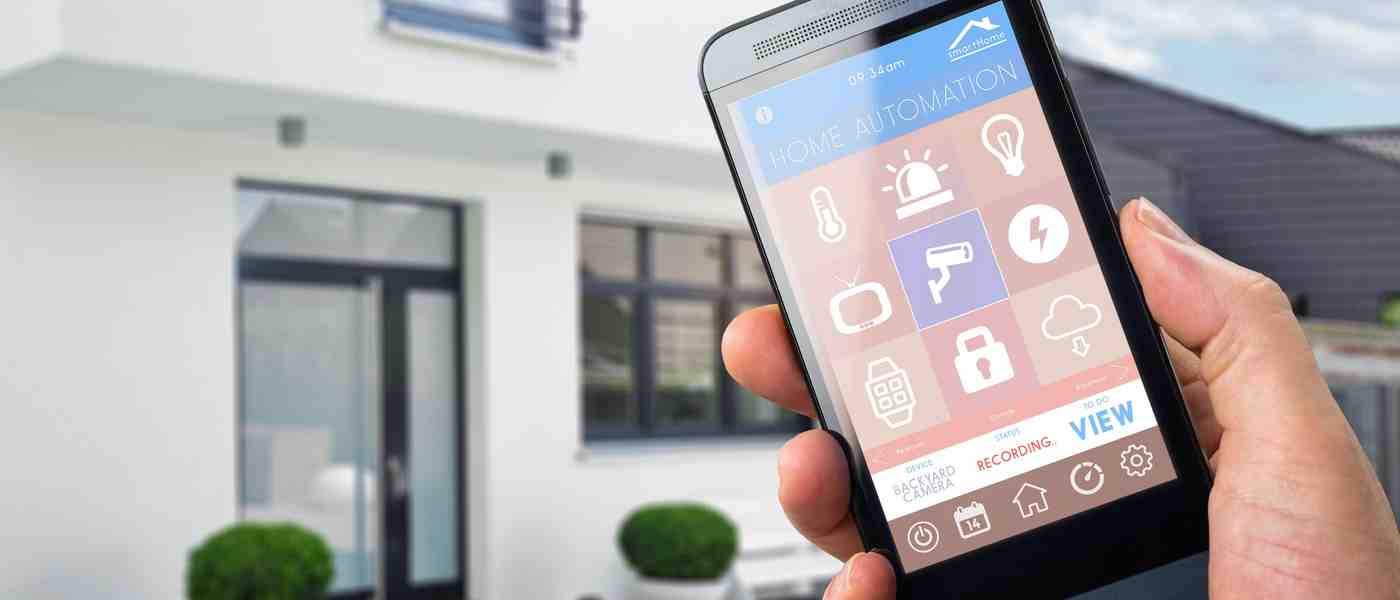
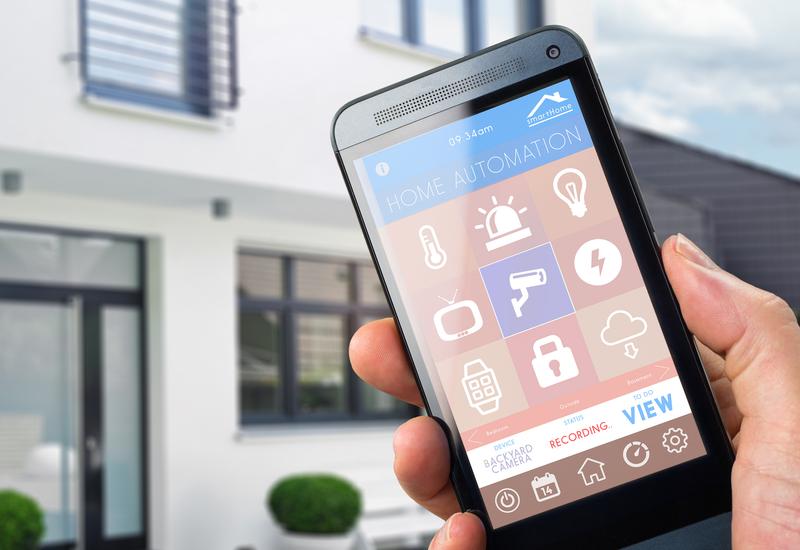
Include a photo or video that helps the visitor visualize the result. It could be a homeowner using their phone to unlock a door, a smart display showing cameras or even a walkthrough video of a smart home setup.
Make sure it looks real. Not stock. People need to see themselves using it.
4. List of Core Features or Packages
Break your offer into clear, scannable chunks. Bullet points work great here.
Example:
Our Smart Home Systems Can Include:
- Smart locks and keyless entry
- App-controlled lighting and climate
- Real-time alerts and video feeds
- Voice assistant integration
- Garage and gate automation
- 24/7 monitoring with rapid response
Even better if you label a few as most popular or best for families or small businesses.
5. Trust Signals & Authority Banner
You are asking someone to let you into their home and control their tech. They need to trust you quickly. This is where banners, logos and other assets are non-negotiable, including:
- Customer testimonials
- Security certifications
- Logos of businesses served
- Photos of your team on-site
- Partnered brands or integrations you support
Bonus tip: feature a customer quote that mentions how smooth or easy the install was.
You need one primary CTA and it should be simple.
Examples:
- Get Your Smart Home Quote
- Schedule a Free Smart Home Walkthrough
Put this button above the fold and repeat it two to three times throughout the page.
Don’t ask for too much. Name, phone, email and maybe zip code or basic project info. Long forms scare people off. Keep it short and mobile friendly.
8. Location Relevance
This is key for local SEO and user trust.
Mention the areas you serve. Use city names in headlines, testimonials, and calls to action.
Example:
Serving smart home clients throughout East Tennessee including Knoxville, Maryville and Oak Ridge
9. Mobile-First Design
Most smart home searches come from phones. Your landing page should:
- Load in 3 seconds
- Have tap-to-call buttons
- Use readable, clean fonts
- Avoid tiny form fields
Pull it up on your phone and test it like a customer would.
10. Follow-Up Process in Place
Once someone fills out the form, what happens?
- Confirm submission
- Send a short follow-up email or text
- Let them book a call or consultation
- Assign a team member to follow up quickly
A landing page that captures a lead means nothing if no one gets back to them for three days.
A Great Landing Page Closes The Deal. Fast.
Smart home technology is a massive opportunity. But if your landing page is vague, slow or confusing, you’re missing out on qualified leads every single day.
At Slamdot, we help alarm service providers build landing pages that convert. We focus on clear messaging, fast load times, strong visuals and strategy-backed forms that convert interest into appointments. From lead magnets to paid campaigns, we build the systems that keep your pipeline full.
Want to learn how we can help you grow faster? Contact us today!